
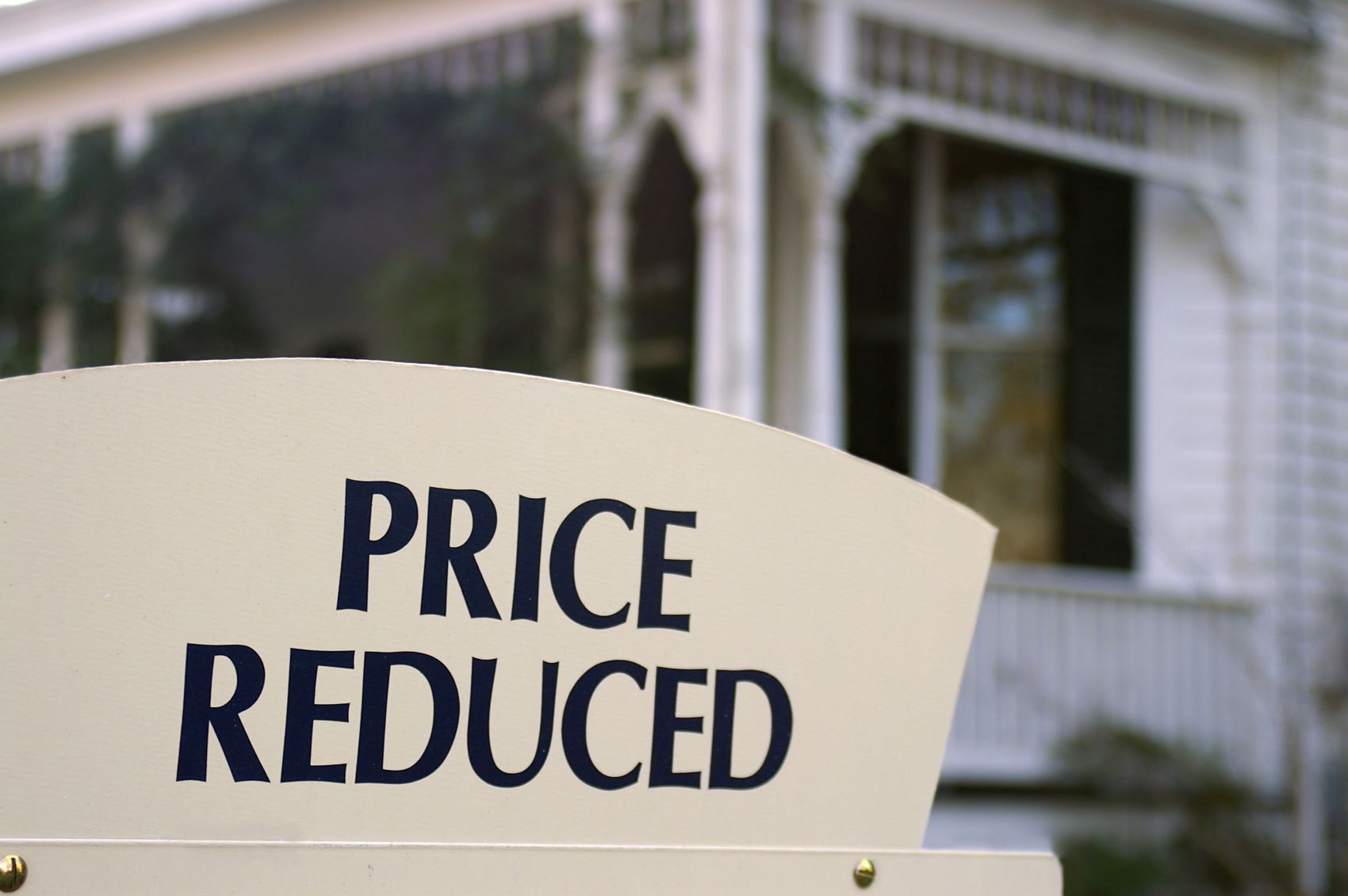
Overpricing your home doesn’t put you at an advantage in the Las Vegas housing market—it actually does the opposite.
If you’re preparing to sell, it can be tempting to test the waters with a higher asking price. I understand why sellers think this way. Your home represents years of investment, improvements, and personal attachment, and starting high may seem like the best way to leave room for negotiation.
But in my experience in the Las Vegas real estate market, that strategy often works against sellers.
The first few weeks of a listing are usually when buyer attention is highest. If the price is too high during that window, many buyers will not negotiate. They’ll simply move on to another property that feels better aligned with the market. In Las Vegas, that may mean comparing your home against similar options in Summerlin, Henderson, Southwest Las Vegas, North Las Vegas, or nearby luxury communities.
That’s why pricing your home correctly from the beginning matters. A desirable home and a properly priced one aren’t always the same thing. Buyers may love the property, but if the price does not make sense next to current competition, interest can stall quickly.
If you’re thinking about selling, continue reading as I explain the risks of overpricing and how a strategic pricing approach can help position your home for stronger buyer interest, better negotiations, and the best possible return.
Table of Contents:
Why Sellers Overprice Their Homes
Most homeowners do not intentionally overprice their property. Usually, it comes from a few understandable reasons:
-
-
- Emotional attachment and perceived value. Years of memories, improvements, and care naturally shape how you see your home. This is especially true in segments like luxury homes in Las Vegas, where upgrades and finishes can feel objectively valuable but may not translate dollar-for-dollar in buyer perception.
-
- Misinformation from online estimates. Automated valuation tools can be helpful starting points, but they often miss key details like condition, renovations, and micro-neighborhood trends within the Las Vegas real estate market. They also may not reflect how buyers are responding right now to specific communities, price points, and property types. For broader market context, sellers can also review local market insights, but a pricing decision should always go deeper than a general estimate.
- Trying to leave room for negotiation. Many sellers believe pricing high gives them flexibility. In reality, Las Vegas buyers are more informed than many homeowners realize. They can see price history, compare nearby listings, and spot an inflated asking price quickly. If your home appears overpriced compared with similar listings, many buyers move on rather than make a low offer.
If you’re thinking about selling, I can help you understand what buyers are paying in today’s market and develop a pricing strategy that attracts strong interest from day one. Start with a more accurate home valuation before you decide on a list price.
The Impact on Buyer Interest
One of the highest hidden costs of overpricing is the buyer interest you may lose along the way. Here’s why:
-
- Overpricing wastes your best selling window. The first few weeks on the Las Vegas housing market are when your listing receives the most attention. If the price does not align with buyer expectations, you may miss the opportunity to create early competition.
-
- Buyers compare value across communities. A buyer looking at Summerlin may also be comparing homes in Henderson or Southwest Las Vegas. They are not just asking, “Do I like this home?” They are asking, “Is this the best value available at this price?”
-
- Overpricing can lead to less interest and even lower offers. Fewer showings usually mean fewer opportunities to generate demand. Over time, that can result in longer days on market, weaker negotiating power, and ultimately a lower sale price.
- Buyers notice when the price does not match the condition. In Las Vegas, where buyers may be comparing newer homes, remodeled resale homes, and homes with builder upgrades in the same search, condition matters. A home that needs flooring, paint, landscaping, pool work, or dated interior updates has to be priced with that reality in mind.
To help reduce these risks, I can help you evaluate local buyer behavior and market data to determine a pricing strategy that maximizes exposure, demand, and potential return.
Days on Market and Stale Listings
Time changes buyer perception.
In the Las Vegas housing market, buyers and agents pay close attention to days on market. When a listing sits longer than similar homes, many assume it’s overpriced or that something is wrong, even if the property is in excellent condition.
As momentum slows, urgency disappears. Instead of competing to make an offer, buyers become more comfortable waiting, comparing other homes, or negotiating more aggressively. That’s why pricing correctly from the beginning is often more effective than chasing the market with later reductions.
Putting your home back in front of buyers after momentum has slowed is difficult. A price reduction may create a short-term bump in attention, but it rarely recreates the impact of a fresh, well-priced listing.
Price Reductions and Perception
Price reductions are sometimes necessary, but starting too high can create challenges that are difficult to reverse. These include the following:
-
- Multiple reductions can weaken negotiating power. Every price change is visible to buyers and agents. A pattern of reductions can suggest that the home was overpriced from the beginning and may encourage lower offers.
-
- Buyers may wait instead of acting. Once buyers see repeated adjustments, many assume another reduction is coming. Instead of competing for the property, they wait for a better opportunity.
- Agents may start using the listing as a point of comparison. If similar homes are priced more realistically, your overpriced listing can actually help sell the competition by making those homes look like better values. That is not the position a seller wants to be in.
Over time, this cycle can erode perceived value and reduce your leverage at the negotiation table. The good news is I can help you understand where your home should be priced from the start so you avoid unnecessary reductions and protect your final sale outcome.
What are the hidden financial costs of overpricing a home?

Avoid problems by talking to your Realtor and pricing your home right the first time.
Overpricing does more than delay a sale—it can directly impact your bottom line.
A properly priced home is more likely to attract strong early interest, more showings, and potentially multiple offers. An overpriced home, in contrast, often requires price adjustments after valuable buyer attention has already been lost.
Also, keep in mind that extra months on the market mean continued expenses such as mortgage, insurance, utilities, taxes, HOA fees, landscaping, pool care, and maintenance, while also potentially delaying your next move.
These carrying costs can add up quickly in Las Vegas, especially for larger homes, properties with pools, or higher summer utility demands, turning an overpriced listing into a more expensive holding period.
Appraisal and Financing Challenges
One of the most overlooked risks of overpricing is what happens after you receive an offer.
Within the Las Vegas housing market, appraisers rely on recent comparable sales, pending transactions, and current market conditions—not the seller’s asking price. If the appraisal comes in low, one of three outcomes usually follows:
- The buyer covers the difference in cash
- The seller reduces the price
- The deal falls through entirely
In many cases, overpricing in luxury homes in Las Vegas can increase the likelihood of appraisal challenges, especially in neighborhoods where comparable sales are tightly clustered or where recent sales do not support the higher asking price.
What Sellers Should Do Instead
The solution isn’t to underprice your home. It’s to price it strategically.
When I help a seller price a Las Vegas home, I’m not just looking at one online estimate or one recent sale down the street. I’m looking at the full picture: what has sold, what is currently competing with your home, how buyers are behaving, how long similar homes are taking to sell, and how your property compares in condition, location, upgrades, and presentation.
Here’s what smart sellers focus on:
-
- Use recent comparable sales. Review closed sales that reflect your home’s location, size, condition, age, lot, upgrades, and property type. The best comps are not always the closest homes on a map. They are the homes buyers would realistically compare against yours.
-
- Study current active competition. Your home is not priced in a vacuum. If buyers can get a newer, larger, better-presented, or better-located home for the same price, that affects how your listing is perceived.
-
- Watch buyer behavior. Showing activity, feedback, online engagement, offer patterns, and buyer objections all tell a story. If buyers are interested but not acting, price may be part of the issue.
-
- Evaluate days on market trends. A pricing strategy should account for how quickly similar homes are moving in your neighborhood and price range. Summerlin, Henderson, Southwest Las Vegas, and luxury communities can all behave differently depending on inventory, buyer demand, and property type.
-
- Factor in property condition. A remodeled home, a home with a pool, a home with strip views, or a home in a gated community may justify a different strategy than a similar-sized property that needs updates. Condition has to be priced honestly.
-
- Understand neighborhood demand. Some Las Vegas neighborhoods draw stronger demand because of schools, amenities, commute access, newer construction, lifestyle appeal, or proximity to shopping and entertainment. Others require a more precise pricing strategy to stand out.
- Use timing and pricing psychology. The right price should create confidence, not hesitation. When buyers feel a home is priced realistically, they are more likely to schedule quickly, write stronger offers, and take the listing seriously from the beginning.
Pricing your Las Vegas home is not just about choosing a number. It is about understanding how buyers will react to that number once the listing goes live.
Price Your Home Right the First Time
One of the biggest mistakes I see sellers make is assuming they can always lower the price later.
In reality, once a listing loses momentum, it’s difficult to regain buyer interest. That’s why I don’t believe in guessing or testing the market. I price homes using recent comparable sales, current competition, buyer behavior, neighborhood demand, and market trends to help sellers enter the market with a clear strategy from day one.
Before you list, make sure your price reflects what Las Vegas buyers are actually seeing, comparing, and responding to right now.
Call 702.745.2908, email me, or visit this page to schedule a personalized home pricing consultation today.
-